


 0
No products in the basket.
FREE SHIPPING ON ORDERS OVER €99 - IRELAND & UK

- Blogs
October 29; 2026
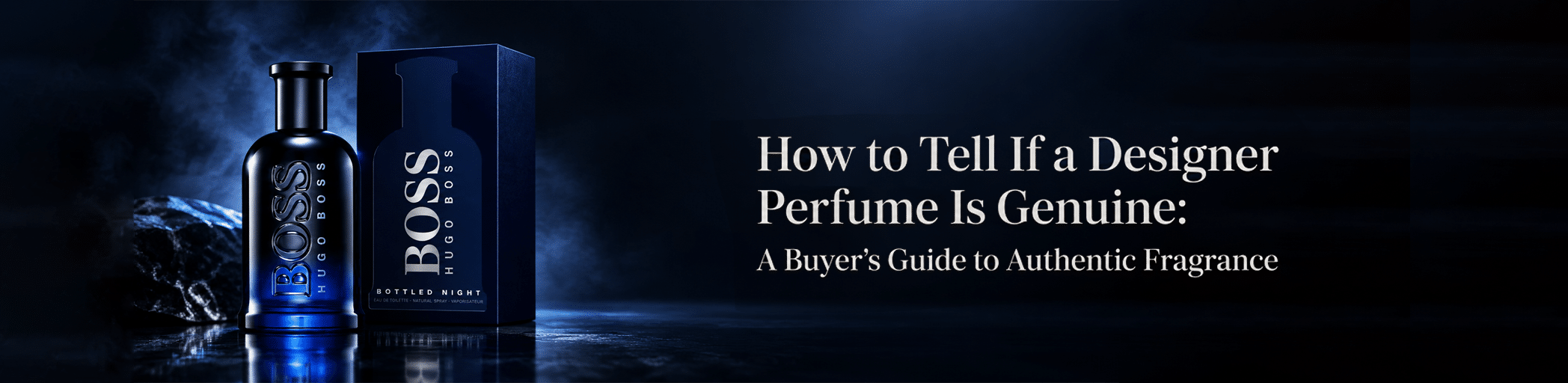
How to Tell If a Designer Perfume Is Genuine: A Buyer’s Guide to Authentic Fragrance
Buying a designer perfume is an investment in a fragrance you love. Whether you are choosing a signature scent or purchasing a luxury fragrance as a gift, you want to feel confident that the product is genuine.
However, with so many fragrances available online, it can be difficult to distinguish an authentic product from a counterfeit. Packaging, brand logos and attractive prices can look convincing, so it is important to examine more than just the bottle.
If you are wondering how to tell if perfume is genuine, this guide covers ten practical checks, from examining the packaging and batch code to researching the retailer, helping you make a more informed purchasing decision.
1. Examine the Perfume Packaging Carefully
Packaging is one of the first things to inspect when buying a designer fragrance. Compare the box with official product photographs and look for inconsistencies in the branding, printing and product information.
Pay attention to spelling mistakes, uneven lettering, poorly aligned labels and visibly damaged packaging. These can be warning signs, although packaging differences can also occur between product versions or markets.
Remember, even convincing packaging cannot conclusively prove that a perfume is genuine.
2. Check the Batch Code and Product Details
Many perfumes carry a batch code on the bottle, outer packaging or both. This code helps identify a production batch and may be useful when making an enquiry with the manufacturer.
Check whether the available codes and product details are consistent. If something appears unusual, contact the brand or retailer for clarification.
Important: A matching batch code does not automatically authenticate a perfume, as counterfeiters can copy codes. Treat it as one piece of information rather than definitive proof.
3. Inspect the Bottle and Cap
Designer perfume bottles often feature distinctive shapes, finishes and decorative details. Examine the bottle for uneven seams, poorly applied labels, damaged components or obvious manufacturing inconsistencies.
Check that the cap fits appropriately and that the bottle matches the manufacturer’s product images. However, minor differences can sometimes result from packaging updates or changes between editions.
The objective is to identify inconsistencies worth investigating, rather than assuming that every small variation indicates a fake.
4. Examine the Atomiser and Spray Mechanism
The spray mechanism can provide additional clues about the product’s construction. Check whether the nozzle appears properly fitted and whether the bottle sprays as expected.
Look for visible damage, leakage or poorly fitted components. If the perfume arrives leaking or appears to have been tampered with, contact the retailer before continuing to use it.
A working atomiser is not proof of authenticity, just as a faulty spray mechanism does not automatically mean a fragrance is counterfeit.
5. Do Not Judge Authenticity by the Scent Alone
One common misconception is that a genuine designer perfume must smell exactly the same every time or last for a specific number of hours.
Fragrance perception can vary with skin chemistry, storage conditions, temperature and the time elapsed since application. Formulations may also change over time.
If a familiar perfume smells noticeably different, consider its storage history and compare it with reliable product information before drawing conclusions.
When learning how to spot fake perfume, remember that scent and longevity alone cannot establish whether a product is genuine.
6. Be Cautious of Prices That Seem Too Good to Be True
Discounts do not automatically indicate counterfeit products. Genuine fragrances can be available through promotions, seasonal sales and clearance offers.
However, an unusually low price deserves closer attention, especially when a seller provides little information about the product or business.
Compare prices across credible retailers, check the listed bottle size and concentration, and consider whether the discount has a reasonable explanation. Avoid making a decision based on price alone.
7. Research the Seller Before Buying
The retailer you purchase from is one of the most important factors to consider when shopping for an authentic designer perfume.
Before placing an order, check whether the website provides:
- Clear business and contact information.
- Detailed product descriptions and accurate photographs.
- A written returns and refund policy.
- Secure payment methods.
- Credible customer reviews across independent platforms.
The European Commission’s online shopping guidance also recommends researching sellers, checking contact information and reviewing return policies before purchasing.
A professional-looking website alone is not enough. Look for consistent, verifiable information that helps you assess the retailer’s credibility.
8. Compare the Product With Official Brand Information
Visit the manufacturer’s official website to review the fragrance name, bottle design, size, concentration and other available details.
Compare these specifications with the product being offered. Check whether the model or edition exists and whether the images and description appear consistent.
If the information does not match, ask the seller to explain the difference. Packaging updates, regional variations and discontinued editions can sometimes account for differences, so investigate before reaching a conclusion.
9. Review the Invoice and Supporting Documentation
Keep your order confirmation, invoice and any documentation supplied with the perfume.
These records can help establish where you purchased the product and support a complaint or customer-service request if an issue arises.
If you have concerns about authenticity after delivery, contact the retailer and explain the specific inconsistencies you noticed. You can also seek guidance from the perfume manufacturer.
Documentation can support your enquiry, but an authenticity card or receipt should not be treated as standalone proof that a product is genuine.
10. Know What to Check When Buying Perfume Online
When shopping for genuine perfume online, take a few minutes to review the complete listing before placing your order.
Check the product name, bottle size, fragrance concentration, packaging details and seller information. Read the terms governing returns and refunds, and use a payment method that offers appropriate protection.
After delivery, inspect the packaging and bottle before using the fragrance. If you suspect tampering, leakage or a counterfeit product, contact the seller promptly and retain the packaging and purchase records.
Taking these precautions can help you make a more confident purchase without relying on a single visual test or online authentication tool.
Frequently Asked Questions
How can I tell if perfume is genuine?
To understand how to tell if perfume is genuine, examine the packaging, bottle, product details and batch code, and research the retailer. Compare the fragrance with official brand information and investigate any inconsistencies. No single check guarantees authenticity.
How do I check perfume authenticity using a batch code?
A batch code can provide useful production information, but it is not definitive proof because codes can be copied. If you have concerns, contact the manufacturer or retailer rather than relying exclusively on online batch-code websites.
Can genuine designer perfume have different packaging?
Yes. Packaging may change between product editions, markets or production periods. Compare the specific product with reliable manufacturer information before assuming a difference means the perfume is counterfeit.
Are discounted designer perfumes always fake?
No. Genuine products can be discounted during sales or clearance events. Evaluate the retailer, product information and supporting details instead of judging authenticity by price alone.
Final Thoughts
Buying a designer fragrance should be an enjoyable experience, and a few careful checks can help you shop with greater confidence. Examine the packaging and bottle, compare the product details, review the batch code cautiously and research the retailer before purchasing.
The most reliable approach is to consider several indicators together rather than trusting a logo, scent or price tag. When something seems inconsistent, ask questions and seek clarification before using the product.
Explore the women’s fragrance collection and men’s fragrance collection at GiftShop Galore to discover different designer fragrances and compare the available options.
Free shipping
On orders over €99
Low prices
Low prices guaranteed
Safe Payment
100% Secure Payment
24/7 Support
Feel Free To Call Us